14 Arrested in Florida Contractor Sting: What It Means for Your Business
A recent Pasco County sting operation resulted in 14 arrests for unlicensed contracting. Here's what every contractor needs to know about staying compliant.
What Happened in Pasco County
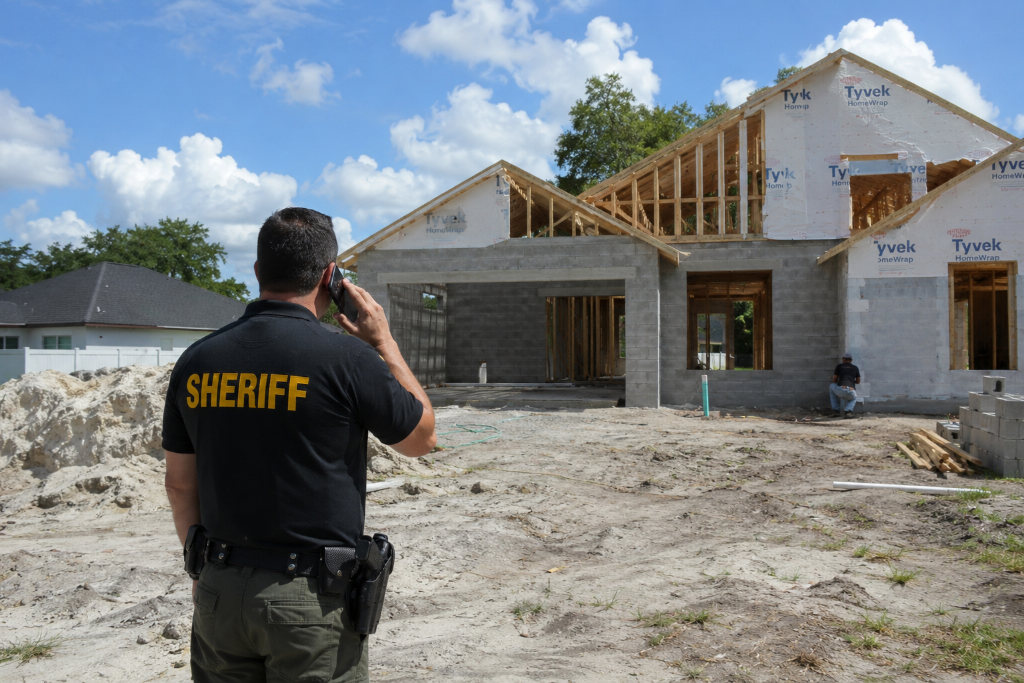
In late April 2026, the Pasco County Sheriff's Office Economic Crimes Unit conducted a multi-day undercover sting operation targeting unlicensed contractors in West Pasco County, Florida. Over four days (April 20 to 23), detectives posed as homeowners seeking quotes for work including marine contracting, plumbing, and air conditioning installation.
14 individuals were arrested after showing up to bid on or perform work without holding the required state contractor licenses. The operation exposed businesses and individuals operating outside the law, putting homeowners at serious risk, and costing those contractors their freedom.
This was not an isolated incident. Florida law enforcement agencies conduct these sting operations regularly, and Pasco County alone has run multiple similar operations in recent years.
Why This Matters for Every Contractor
This was not an isolated event. Florida law enforcement agencies conduct these sting operations regularly, Pasco County alone has run multiple similar operations in recent years. The pattern is clear: state regulators and law enforcement are actively targeting unlicensed contracting, and the consequences are severe.
If your company is performing contracting work, whether electrical, plumbing, HVAC, general construction, marine, or roofing, you must have proper licensing in place. There is no gray area.
The question isn't IF enforcement will catch up, it's WHEN.
Criminal Penalties for Unlicensed Contracting in Florida
Under Florida Statute §489.127, the penalties for contracting without a license are serious and escalating:
First Offense
- •First-degree misdemeanor
- •Up to 1 year in jail
- •12 months probation
- •$1,000 fine
Repeat Offense
- •Third-degree felony
- •Up to 5 years in prison
- •5 years probation
- •$5,000 fine
- •Also applies during state of emergency
Administrative
- •Fines up to $10,000 per violation
- •Investigative & legal cost recovery
- •Stop-work orders (§489.127(3))
- •Contracts unenforceable (§489.128)
- •Permanent licensing disqualification
Additional civil consequences include damage to your reputation and potential permanent loss of eligibility to obtain a contractor's license in Florida.
It's Not Just Florida, Enforcement Is Nationwide
Florida may be aggressive, but virtually every state has similar laws. States like California (CSLB), Nevada, Arizona, Tennessee, Texas, Georgia, and North Carolina all require contractors to hold valid licenses and employ qualified individuals.
Sting operations, complaint investigations, and random jobsite audits happen across the country. If you're working across state lines, even on a single job, you need proper licensing in every jurisdiction.
Active enforcement in all 50 states. This is a partial list.
How a Qualifying Agent Protects Your Business
A qualifying agent (also known as an RME, RMO, license qualifier, or designated licensee) is the licensed individual whose credentials allow your company to legally hold a contractor's license. Having a properly employed qualifying agent means:
Your company can legally pull permits and bid on regulated projects
You are protected from criminal prosecution for unlicensed contracting
Your contracts are legally enforceable under state law
You maintain eligibility for commercial insurance coverage
You can operate across multiple states with proper licensing in each
Critical: The qualifying agent must be a W-2 employee of your company, not a 1099 contractor. State licensing boards verify this through payroll records and employment documentation. Learn more about W-2 vs 1099 qualifying agent requirements.
How The Licensing Company Keeps You Compliant
The Licensing Company connects contractors with verified, licensed qualifying agents in all 50 states across 13+ trade classifications. We handle every piece of the compliance puzzle:
Qualifying agent placement and matching
W-2 employment structuring and payroll
State licensing board paperwork and applications
Workers' compensation compliance
Ongoing license maintenance and renewals
Multi-state expansion licensing
Every placement is 100% legally structured. We don't cut corners, because as the Pasco County arrests prove, the consequences of non-compliance are real and devastating.
Don't Become the Next Headline
The 14 contractors arrested in Pasco County likely thought they could fly under the radar. They were wrong. Law enforcement is getting more sophisticated, homeowner complaints trigger investigations instantly, and the penalties only get harsher.
If you're operating without proper licensing, or if your current qualifying agent arrangement isn't legally structured, now is the time to fix it. Before it becomes a criminal matter.
Book a Free License Consultation Today
Find out if your business is properly licensed in every state where you operate. Our compliance team will review your situation and recommend the right qualifying agent solution.
Frequently Asked Questions
Related Resources
Contractor licensing and qualifying agent guides from The Licensing Company.
How to get a contractor license in every state
What a contractor license is, who needs one, and the board, dollar threshold and exams in every state.
What is a qualifying agent?
Learn the definition, role, and legal responsibilities of a qualifying agent.
Hire a qualifying agent
Get matched with a verified, licensed qualifying agent in your state and trade.
Become a qualifying agent
Turn your active contractor license into additional income by qualifying other businesses.
Contractor license qualifier
Understand qualifier requirements, the legal process, and how to find one in your state.
RMO and RME explained
What a responsible managing officer and a responsible managing employee are, and how the two differ.